For a warehouse or industrial site, explain truck circulation and controlled access. For a retail or mixed-use property, identify customer routes and shared boundaries. The scope should follow your operation.
COMMERCE CITY / WINTER ACCESS
Truck movement and worker access need separate winter instructions.
Commerce City’s land-use framework includes warehouse, wholesale, office, and industrial uses. It also has retail and mixed-use redevelopment areas, including the former Mile High Greyhound Park site. That range makes the type of property a better starting point than a single citywide maintenance formula.
SNOW REMOVAL
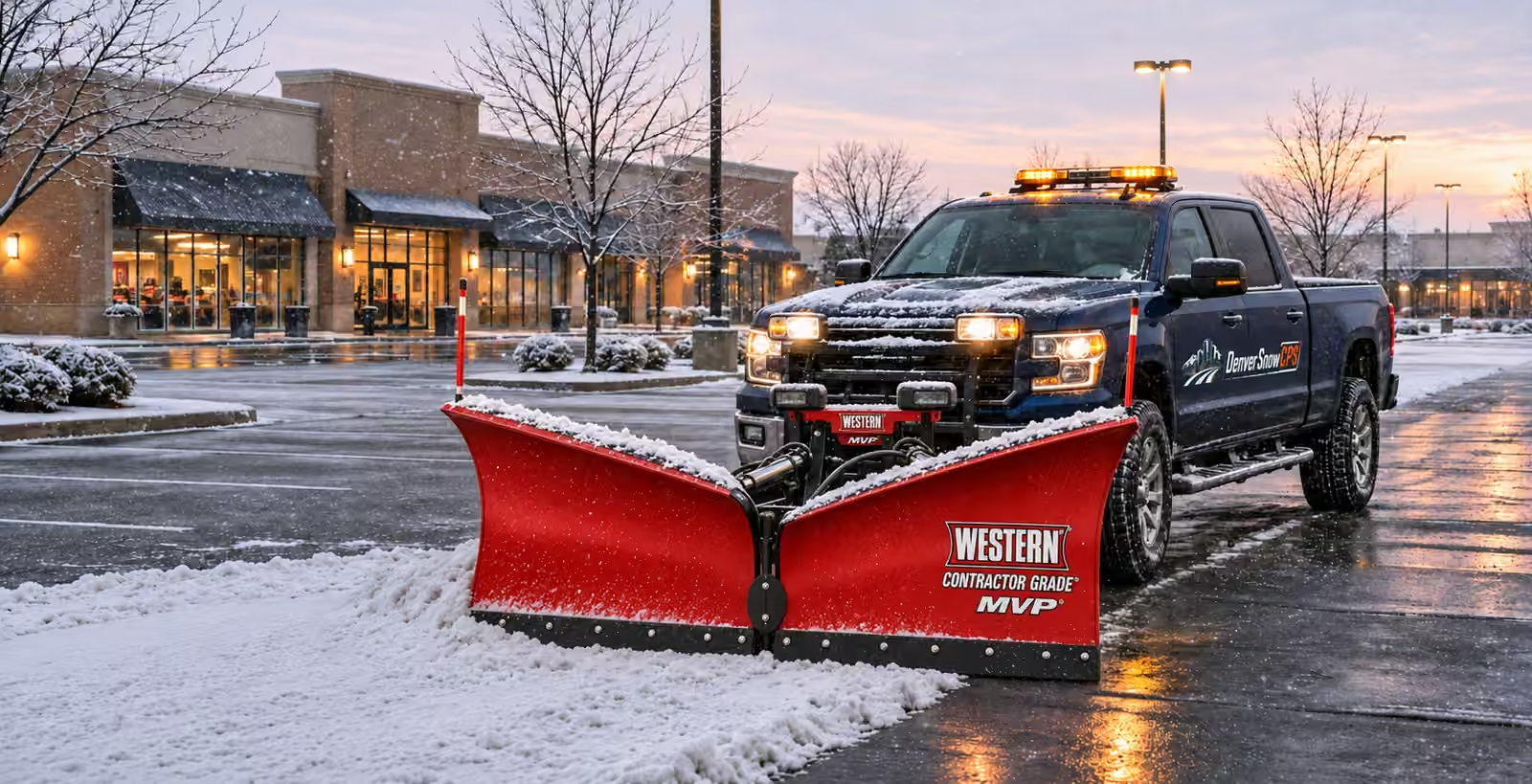
Snow removal in Commerce City.
Map gate access, truck turning areas, loading approaches, and the walks workers use at your commercial site. Discuss stacking locations that respect the circulation plan, with relocation or hauling included when your storage needs call for it.
For your property
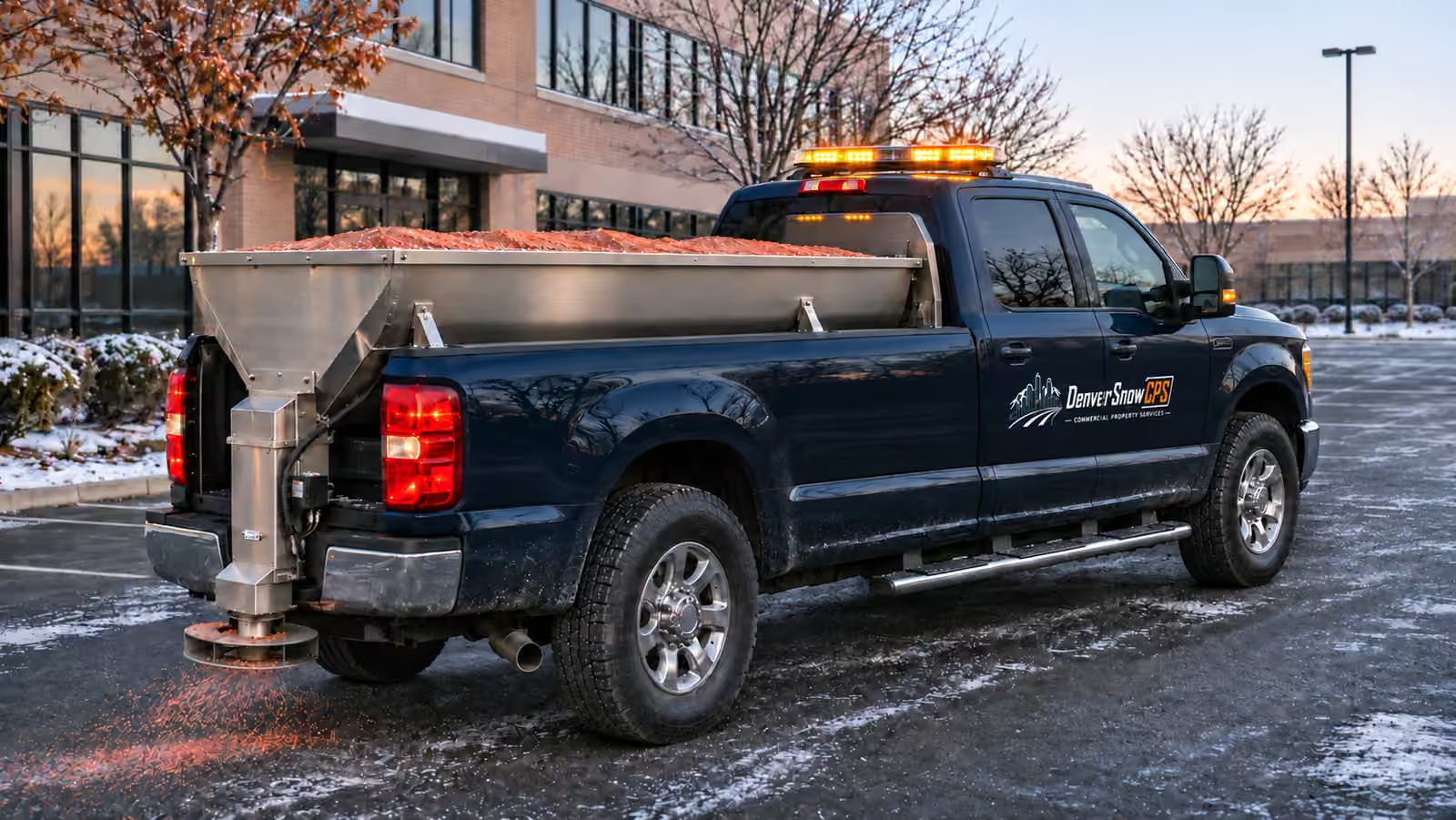
Gate procedures, truck routes, worker walks, and stacking restrictions.
Differentiate the paved areas used by vehicles from the pedestrian paths used by workers and visitors. Describe known runoff and surface restrictions so IceSlicer and sidewalk ice-melt applications can be discussed for the right areas.
For your property
The division between vehicle surfaces and pedestrian treatment areas.
Read pavement and concrete concerns in the context of the operation.
Commerce City’s warehouse and industrial uses sit alongside retail and mixed-use settings. Tell us which type of operation your site supports: a worker walkway, a truck approach, and a customer parking area can each need different consideration when concrete or pavement work is proposed.
CONCRETE WORK
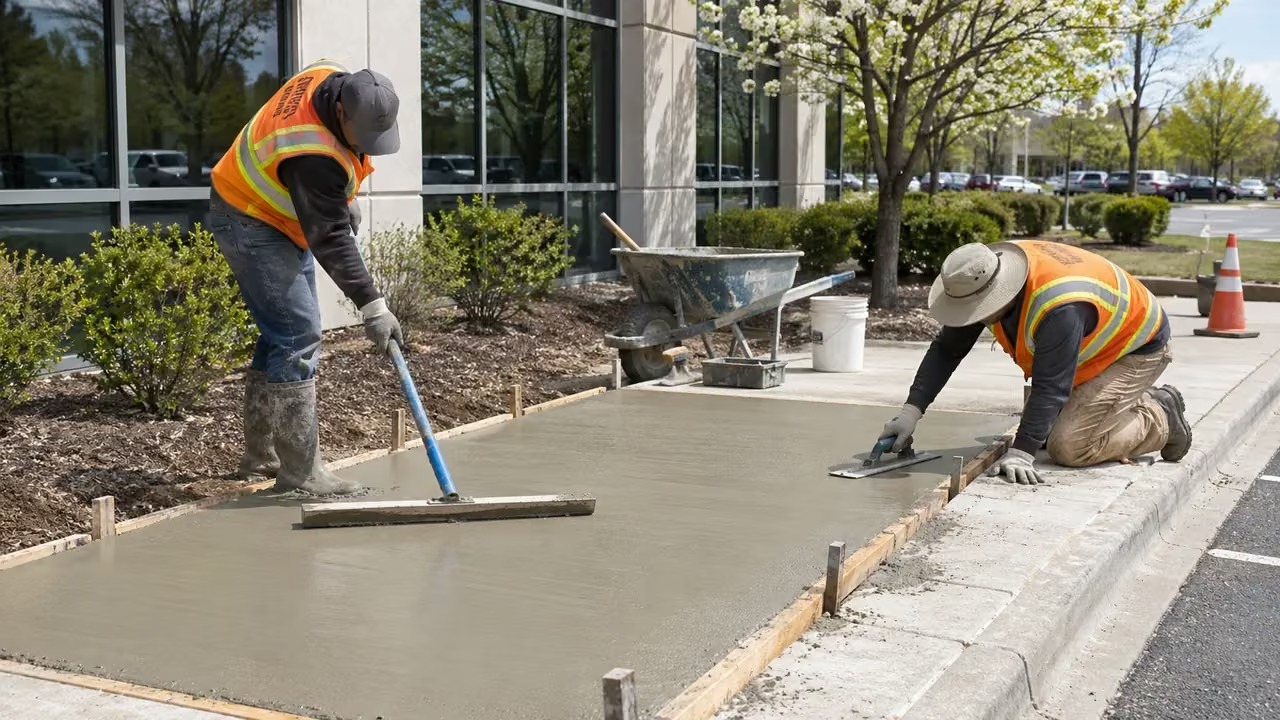
Concrete work in Commerce City.
Flag damaged curbs, worker walkways, and other exterior concrete within your responsibility. Include vehicle movement and restricted-access instructions when planning repairs around an active commercial operation.
For your property
Exterior concrete repairs near active vehicle or worker circulation.
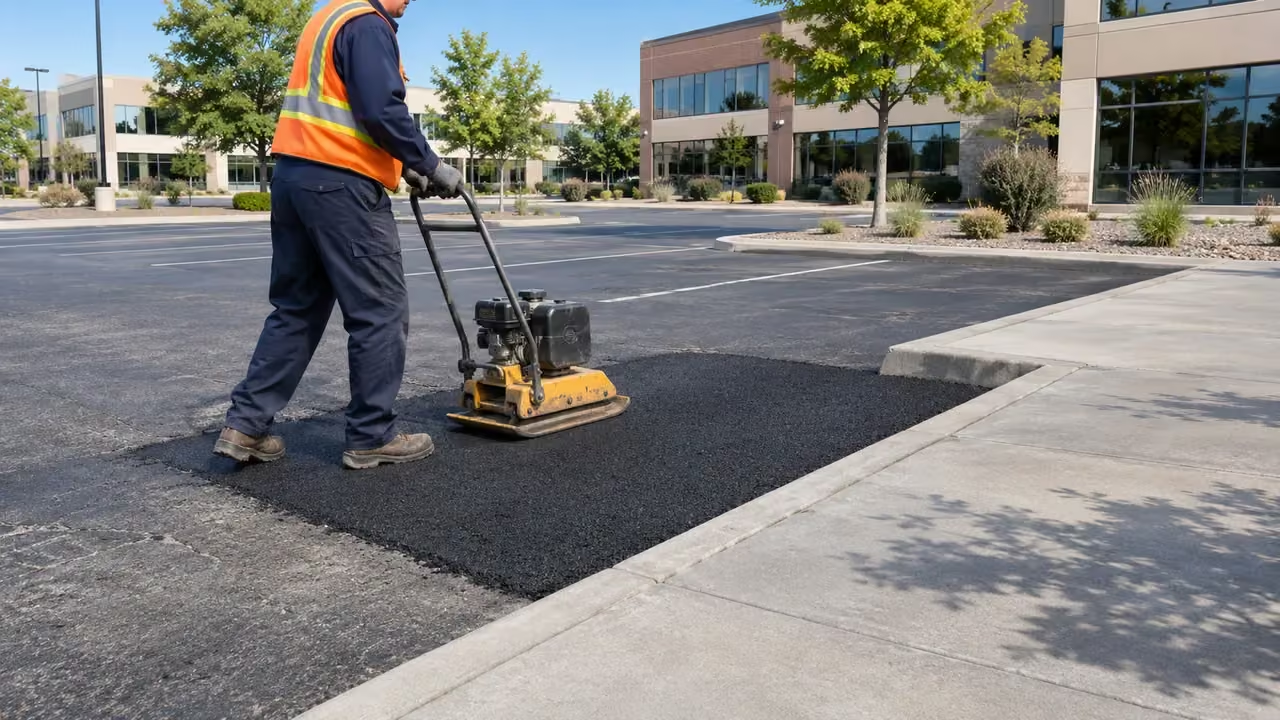
Tell us where heavy vehicles travel and where the visible pavement problems recur. Repairs, crack sealing, sealcoating, and striping should be discussed with the use of each area and its access requirements clearly identified.
For your property
Recurring pavement damage in areas used by heavier vehicles.
Describe the site conditions before defining cleanup.
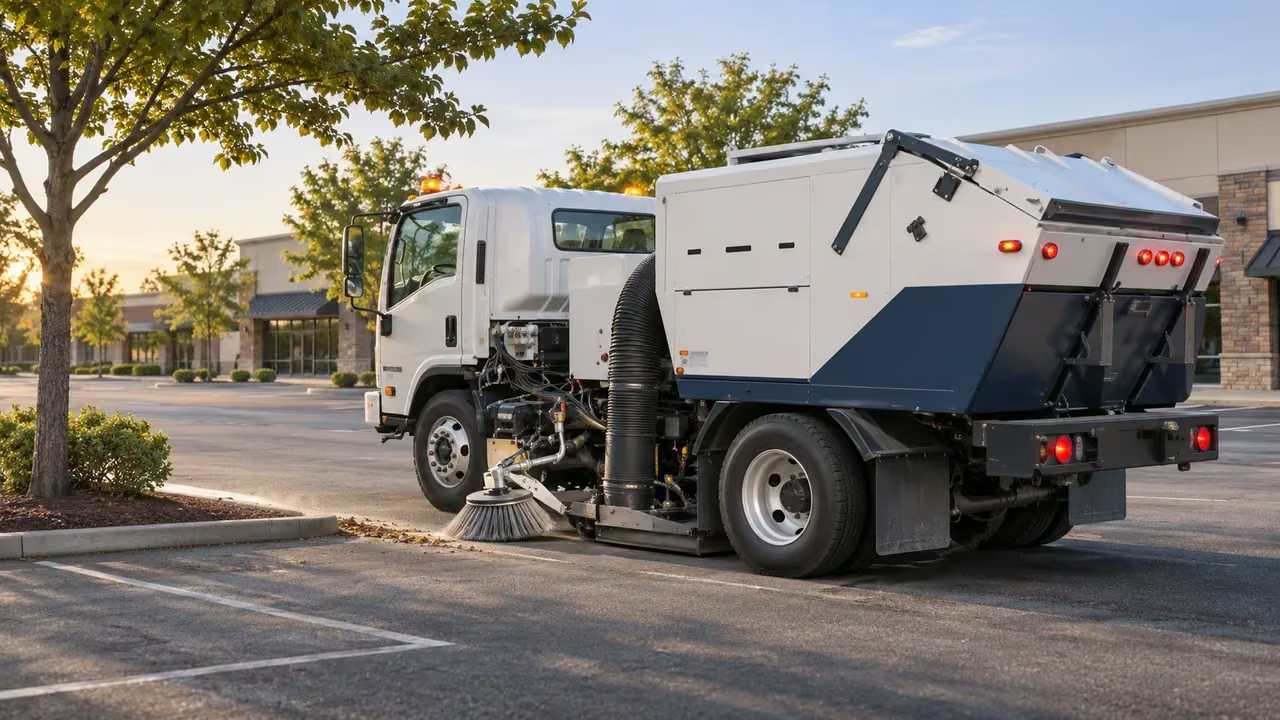
The range of commercial and industrial uses in Commerce City makes the debris and surface description particularly useful. Explain the areas to sweep or wash, any controlled access, and unusual conditions so a cleaning request is assessed for the operation rather than assumed to be routine.
POWER SWEEPING
Power sweeping in Commerce City.
Define whether the scope covers employee parking, truck approaches, or other commercial lot areas. Describe the debris and access restrictions in advance; unusual or specialized cleanup needs should be assessed before work is included.
For your property
The debris type, included paved areas, and controlled access.
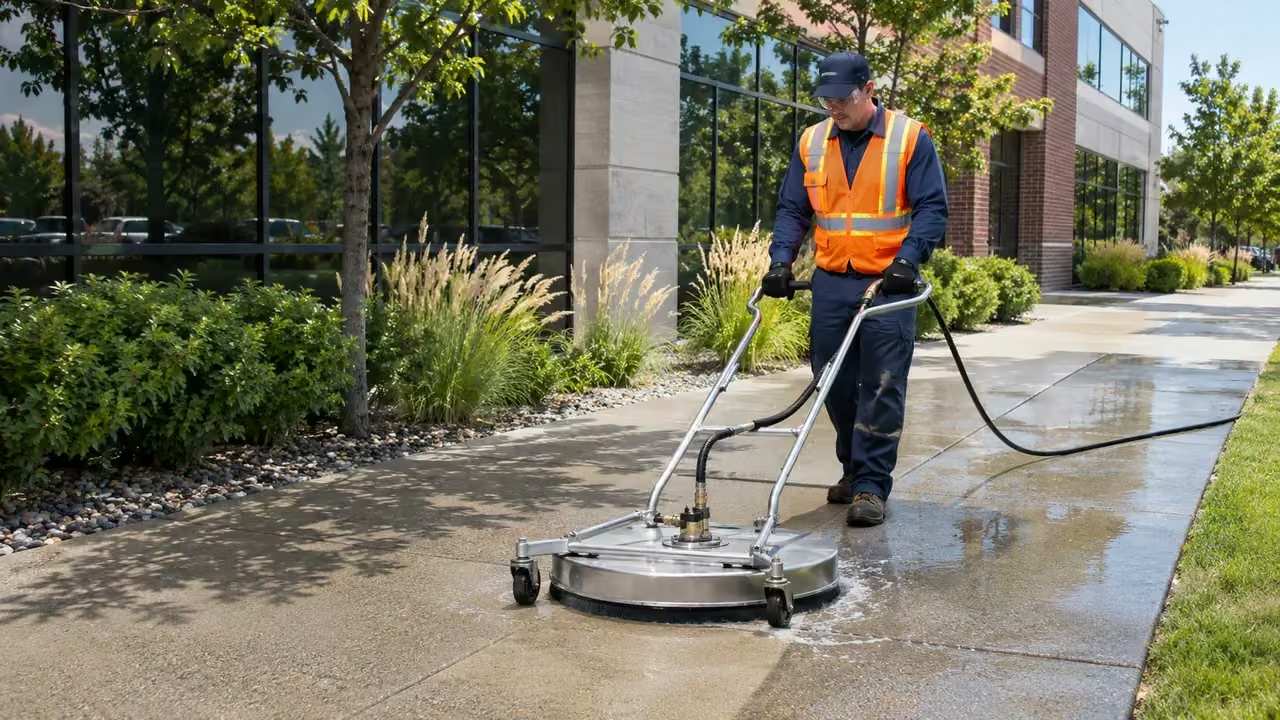
Identify the exterior hard surfaces and the type of buildup you want evaluated. On a site with controlled access or specialized operations, share those conditions first so the cleaning request can be assessed appropriately.
For your property
The surface and buildup to assess before a specialized request is included.
What should an industrial property include in its request?
Provide gate instructions, operating hours, vehicle routes, pedestrian areas, and the surfaces involved. Describe unusual debris or cleaning conditions so we can confirm the appropriate scope.
Are all industrial cleanup requests the same?
No. Describe the debris, surface, access restrictions, and requested result. We will discuss the request and confirm the appropriate scope rather than assume specialized conditions are part of ordinary sweeping or washing.
About these local references
The places mentioned provide local area context; they are not presented as DenverSnowCPS customers or completed projects.